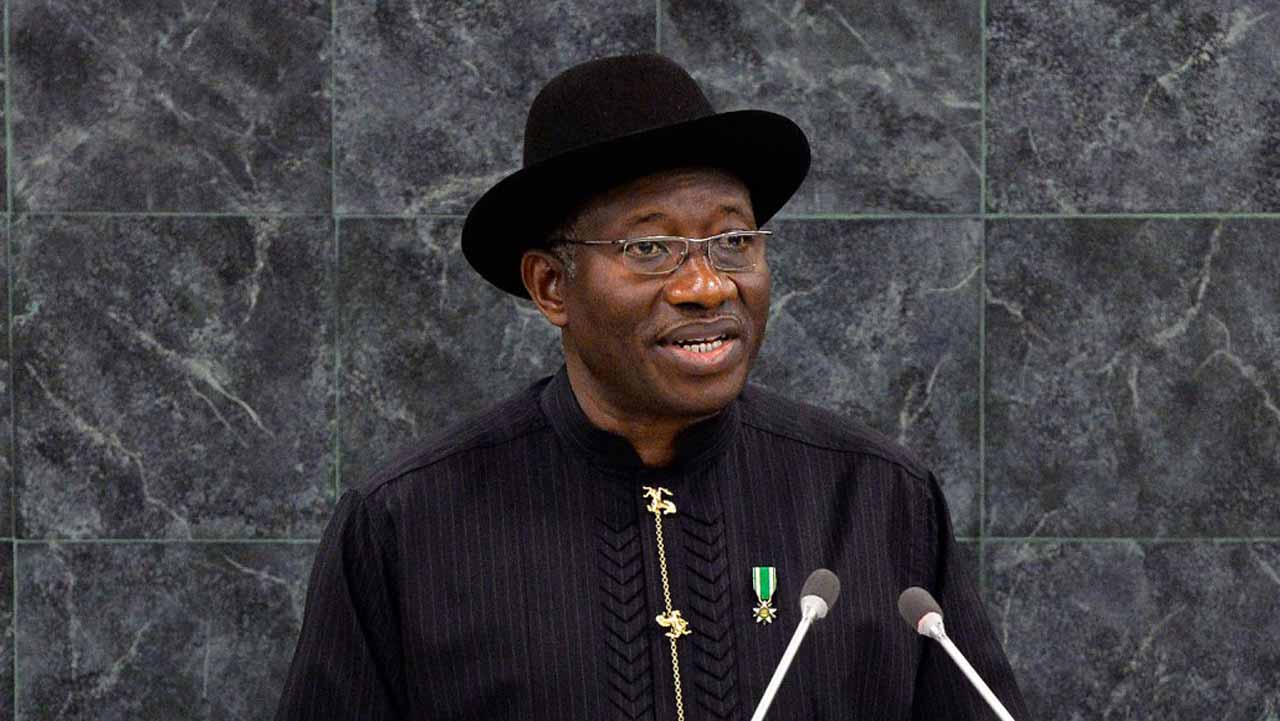
2027: Why court ruled Jonathan can contest 2027 presidency
A Federal High Court sitting in Abuja on Tuesday ruled that former President Goodluck Jonathan remains eligible to contest the 2027 presidential election, reigniting constitutional debates over tenure limits and succession in Nigeria.
Justice Peter Lifu, who delivered the judgment, held that there was no legal impediment stopping Jonathan from seeking the presidency again, noting that the issue had already been substantially determined by the Court of Appeal.
The court also dismissed as frivolous and an abuse of court process the suit filed by Abuja-based lawyer, Jideobi Johnmary.
Why court ruled Jonathan can contest in 2027
The suit questioned whether Jonathan could legally contest for president again after previously taking the oath of office twice.
Jonathan first assumed office in 2010 following the death of then President Umaru Musa Yar’Adua before later winning the 2011 presidential election.
The plaintiff argued that if Jonathan contests and wins in 2027, he would exceed the constitutional limit of eight years allowed for a Nigerian president.
Relying on Section 137(3) of the 1999 Constitution as amended, the plaintiff asked the court to stop Jonathan from contesting future presidential elections and restrain the Independent National Electoral Commission from recognising his candidature.
However, Justice Lifu ruled that the plaintiff lacked the legal standing to institute the suit and stressed that the issue had already been settled by the Court of Appeal.
The court’s decision effectively reaffirmed that there is currently no constitutional barrier preventing Jonathan from contesting the 2027 presidential election if he chooses to run.
Background
The debate surrounding Jonathan’s eligibility has lingered for years because of the circumstances under which he first became president.
As vice president, Jonathan completed Yar’Adua’s tenure after the latter died in office in May 2010 before going on to win the 2011 presidential election.
The controversy intensified after the Fourth Alteration Act introduced Section 137(3) into the Constitution in 2018.
The provision states that any person sworn in to complete the tenure of another president cannot be elected into the office more than once.
While critics argued that the amendment disqualified Jonathan from seeking another term, his supporters insisted that the law could not be applied retroactively because he assumed office years before the amendment came into effect.
In 2022, a Federal High Court in Yenagoa ruled that Jonathan remained eligible to contest, holding that applying the amendment against him would amount to enforcing a law retroactively.
The Court of Appeal later upheld that decision, a position Justice Lifu referenced in Tuesday’s judgment.