THE PAIN IS NOT FROM SUBSIDY REMOVAL, IT’S FROM GEOPOLITICAL TENSIONS INCLUDING THE WAR IN THE MIDDLE EAST
By Office Of National Director Students Engagement City Boy Movement
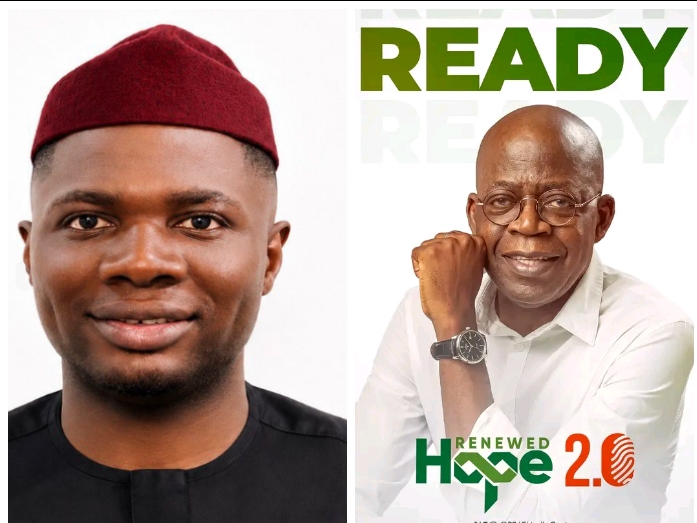
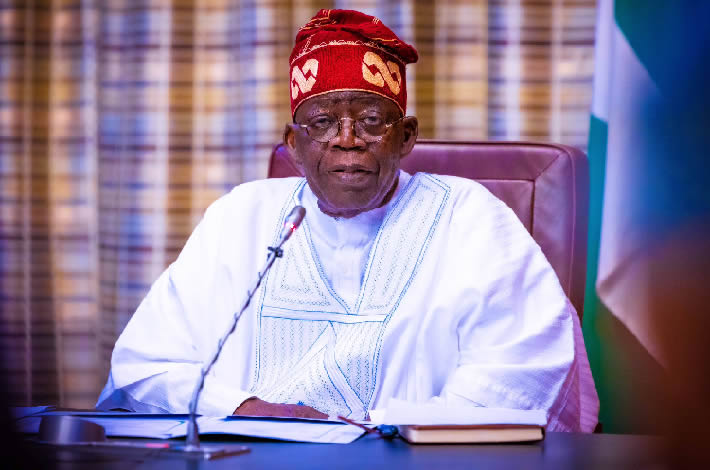
Fellow Nigerians, let me talk to you today like a fellow citizen and brother. Permit me to tell you the truth, with numbers and facts, and in a plain language as we use in our motor parks, markets and on our campuses. This is because the enemies of this nation are trying to cash in on your pain and anger. They want you to move against or even curse President Bola Ahmed Tinubu for the high pump price of petrol.
Bu truth is the real enemy is the ongoing global geopolitical tensions. The enemies are the missiles being fired by the US, Iran and Israel. Thes are the unseen hands shaping the global oil market.
Let me start with the mathematics.
Before May 29, 2023, petrol was selling for about N175 to N238 per litre. The moment President Tinubu announced that “subsidy is gone,” the price jumped to over N500. Today, depending on where you are buying from in Nigeria, you will be paying between N1,300 and N1,400 per litre. That is a 643 per cent increase in three years.
Now, here is the question every Nigerian must ask: What caused the jump from ₦800, which was the gantry price from Dangote Refinery to ₦1,300? The answer is not in the subsidy removal. The answer is in the United States/Iran conflict that began in February 2026, which led to the disruption in the oil market, the conflict over the control of the strategic Strait of Hormuz, a narrow waterway through which a huge percentage of the world’s oil passes.
When that Strait sneezes, the whole world catches cold. The Bank of England has warned that if that Strait is fully disrupted, global oil prices could rise to between $100 and $130 per barrel. The oil price has already risen above $100 per barrel. That is not Nigeria’s fault. It is a global shock arising from US/Iran war.
But let me tell you something the enemies of this nation will never tell you. If the Nigerian government still operates a regime of fuel subsidy, Nigeria may not have the Dangote Refinery as importers, both fake and real, will run him out of business. Without Dangote Refinery, petrol in Nigeria today will be selling around N5,000 per litre. It’s because of the Tinubu government’s policy and Dangote Refinery that we are not seeing queues build up at filling stations. There is availability, and that matters as well.
Please don’t take my word for it! Those who should know have said the same thing. The Independent Petroleum Marketers Association of Nigeria (IPMAN) has said it clearly: without the Dangote Refinery, the price of petrol in Nigeria would have risen to between N5,000 and N6,000 per litre amid the Middle East crisis. Five thousand naira. Per litre. That is the danger we escaped.
Why? Because under a subsidy regime, nobody invests in local refining. The subsidy was a scam that enriched a few importers while keeping Nigeria fully dependent on imported fuel. The 650,000 barrels per day single train Dangote Refinery, to all intents and purposes, became viable because President Tinubu removed the subsidy and deregulated the downstream oil sector.
Today, that refinery produces 32 million litres per day and is still scaling up.
It cut Nigeria’s petrol import bill by 54 per cent in the first quarter of 2025, from ₦3.81 trillion to ₦1.76 trillion. The Central Bank of Nigeria has confirmed that petrol import expenditure dropped by $4.06 billion to $10 billion in 2025, a 28.88 per cent decrease, directly because of Dangote Refinery’s production.
And what has that meant for you and me, the Nigerian consumer? Alhaji Aliko Dangote himself told the ECOWAS Commission President that Nigerians are paying 55 per cent of what other West African countries pay for petrol at present. Neighbouring countries are paying around ₦1,600 to N1 700 per litre. We remain the cheapest in the region. That is not by accident. That is the part of the gains of subsidy removal.
Now, let me address the propaganda of the subsidy merchants. They tell you, “Bring back subsidy, make fuel cheap.” I ask them: Cheap for who? Fuel under the subsidy regime was never cheap for Nigeria. The immediate past Minister of Finance, Mr. Olawale Edun, confirmed that subsidy on petrol and foreign exchange was costing Nigeria 5 per cent of its GDP about $20 billion annually. Twenty billion dollars that could have gone into infrastructure, health, education, and social services was going into the pockets of a cabal of importers. That is the money President Tinubu has freed up. And he is putting it to infrastructure projects and to the subnationals.
Let me give you some of the things that have come with the reforms.
The Compressed Natural Gas (CNG) Initiative. The Presidential CNG Initiative is expected to save Nigeria over ₦2 trillion monthly by cutting petrol imports. The CNG sector has attracted over $980 million in private investments in just 18 months, and the number of CNG powered vehicles has risen from 4,000 to nearly 100,000. Motorists are saving up to 90 per cent on fuel costs. One Nigerian woman converted her car and now saves ₦31,000 every month. Her fuel bill dropped from ₦45,000 to ₦14,000. That is real relief, not the fake relief of subsidy that only benefited the rich and the importers.
The Student Loan Scheme (NELFUND). As the Senior Special Assistant on Students Engagement, this one is personal to me. As of late 2025, NELFUND had disbursed over N140.9 billion to nearly 789,000 students. Over ₦82 billion has gone directly to tuition, and ₦58 billion has been paid as upkeep allowances to students. Under the old subsidy regime, students were left in the lurch.
Today, President Tinubu has said that no Nigerian student should drop out because of lack of funds. That is a reform that touches the future of this nation.
Consumer Credit and Social Investment. Over ₦200 billion has been allocated to the Consumer Credit Corporation, and ₦570 billion has been disbursed to states for livelihood support.
The national minimum wage has been raised to ₦70,000, and NYSC allowances increased from ₦33,000 to ₦77,000. These are not mere numbers. They are the dividends of the money saved from subsidy removal.
Tax Reforms. President Tinubu has signed into law a comprehensive tax reform package that reduces the companies’ income tax rate from 30 per cent to 27.5 per cent, exempts minimum wage earners from tax, and defers the proposed VAT increase to protect ordinary Nigerians from inflationary pressures. This is a President who understands that you cannot tax poverty. You must create wealth first.
Downstream Deregulation Savings. The Nigerian Midstream and Downstream Petroleum Regulatory Authority (NMDPRA) has confirmed that in just nine months of 2025, Nigeria saved over ₦6 trillion from reduced fuel import losses due to deregulation. Six trillion naira. That is money that was previously being burned in the name of “subsidy.”
Now, let me speak to the pain. Yes, I understand there is pain. Petrol at ₦1,300 is painful. Inflation is moderating. Food prices are still high. I am not going to stand here and pretend that everything is perfect. But let me ask you a question: What is the alternative? Is the alternative to bring back subsidy, kill the Dangote Refinery, return to 100 per cent importation, and then watch as the Middle East war drives the price of imported petrol to ₦5,000 or ₦6,000 per litre with endless queues, scarcity, and black market profiteering?
The Nigeria Labour Congress (NLC) itself warned in 2024 that Nigerians could end up buying petrol at ₦5,000 per litre. That was under the old subsidy regime. Today, that has not happened. The Dangote Refinery is the shock absorber that is preventing the worst-case scenario.
The enemies of this nation who are calling for the return of subsidy are not your friends. They were the same people who benefitted hugely from the scam. They are the same people who were pocketing the $20 billion annual subsidy. They are souless, unpatriotic elements playing damaging politics with the life of our people.
The deception is hellish, and Nigerians must rise above it.
Let me end with this: President Tinubu has said it before, there is no gain without pain. But the present pain is not going to be permanent. The Middle East war will end. The Strait of Hormuz will reopen fully. Global oil prices will stabilize. And when that happens, Nigeria will still have the 650,000 barrel per day Dangote Refinery, a growing CNG sector, a student loan scheme that is funding the next generation, and a tax system that is friendly to the poor.
The subsidy removal was not a mistake. It was a necessary surgery. The patient has left the operating table, its in recovery mode, though the global economic environment is making the recovery harder. But the surgeon has not abandoned the patient. The reforms are working. The numbers are speaking for the wisdom of the surgeon. The indicators have turned green. We should not allow the enemies of progress to deceive us into reversing the only policy that is building a self sufficient energy future for this country.
I am a student engagement aide to Mr. President, but I am first and foremost a Nigerian. And as a Nigerian, I am telling you not to let them deceive you. The pain is from geopolitics, not from the subsidy policy. And the gains of subsidy removal are emerging already. Let us stay the course. Nigeria will rise again!
Comrade Sunday Asefon
National Director Students Engagement City Boy Movement.
SSAP Students Engagement.