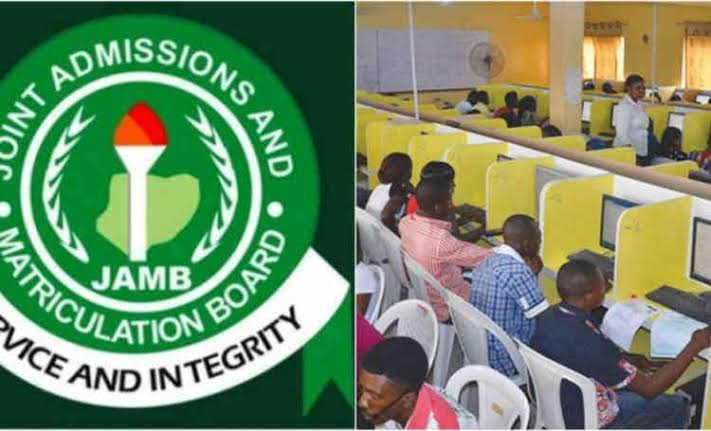
The Federal Government’s decision to exempt candidates seeking admission into Colleges of Education and Agriculture from writing the Unified Tertiary Matriculation Examination (UTME) has continued to spark mixed reactions across the country.
While the government described the policy as a move to widen access to education and boost enrolment in teacher education and agriculture-related programmes, several stakeholders in the education sector have strongly opposed it, warning that it could lower academic standards and weaken the quality of teacher training.
MESSAGE us @ https://Wa.me/+2348072633727 / 08072633727 for business & brand promotion/relationship/partnership, Advert, PR, Publicity, Awareness, Interviews, Feature Stories, Press Release/Statement and any job related to Media…
Minister of Education, Dr Tunji Alausa, who announced the policy during the annual tertiary admissions meeting, explained that affected candidates would still register with JAMB for documentation and admission processing through the Central Admissions Processing System (CAPS).
However, the policy has drawn criticism from groups including the Colleges of Education Academic Staff Union (COEASU) and the Nigeria Union of Teachers (NUT), both of which said they were not consulted before the announcement.
COEASU President, Dr Lawan Bazza, warned that removing UTME requirements could negatively affect the standard of teacher education in Nigeria. Similarly, NUT President, Titus Amba, argued that the move may send wrong signals about the seriousness of the teaching profession.
Despite the backlash, the National Commission for Colleges of Education (NCCE) defended the policy, insisting it is designed to strengthen teacher education through a continuous five-year NCE-to-degree structure.
Voice Air Media NEWS CHANNEL @
https://whatsapp.com/channel/a0029VaOyfbTF6smu2UTRUn1w
Some education experts and political figures, including SDP presidential candidate Adewole Adebayo, have also criticised the policy, describing it as a lowering of educational standards that could worsen the country’s challenges in the future.