
THE Nigeria Employers Consultative Association, NECA; Nigeria Labour Congress, NLC; Lagos Chamber of Commerce and Industry, LCCI; and the Association of Small Business Owners of Nigeria, ASBON, yesterday, raised fresh concerns over the worsening impact of rising global oil prices on the country’s economy.
They also warned of looming business closures and job losses, noting that businesses and households are facing mounting pressure as energy costs surged.
The business groups spoke yesterday as the price of petrol remained high in Lagos, Abuja and other parts of the country despite the price of crude falling below $100 per barrel.
However, the 31 governors of the All Progressives Congress, APC, rose from a meeting late Sunday night, promising to roll out palliative measures to cushion the effect of the increase in the price of petroleum products caused by the ongoing Middle East crisis.
NECA noted that the spike in crude oil prices, rather than translating into economic gains, is creating a paradox in Nigeria, where increased oil revenues are accompanied by rising production and living costs.
This trend, NECA warned, is eroding purchasing power, squeezing profit margins, and threatening the survival of businesses across key sectors.
Director-General of NECA, Adewale-Smatt Oyerinde, who raised the concern, described the situation as alarming, stressing that the current trajectory could trigger widespread economic hardship if urgent measures are not taken.
“What we are witnessing is Nigeria’s oil paradox. Rising crude oil prices are pushing up domestic energy costs, squeezing businesses and worsening the cost of living for citizens,” he said.
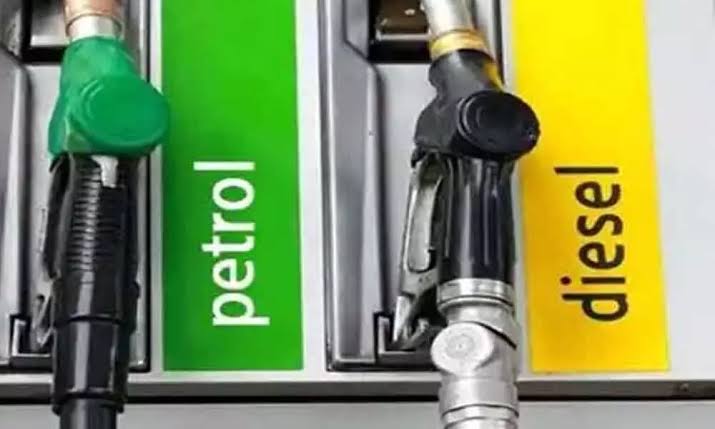
He pointed out that fuel prices had surged sharply in recent days, with petrol selling above N1,300 per litre in some areas, while diesel prices were approaching N1,800 per litre, underscoring the direct impact of global oil market fluctuations on the domestic economy.
Oyerinde emphasised that energy costs remain central to economic activities, noting that any increase in fuel prices has immediate and far-reaching consequences.
“Once fuel prices rise, the effects are immediate and widespread — transport costs increase, food prices rise, and the overall cost of doing business escalates,” he stated.