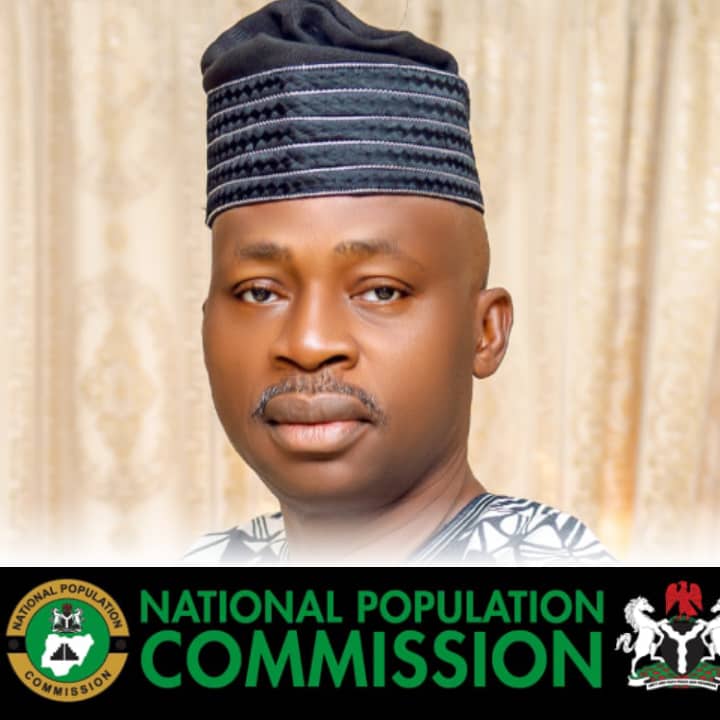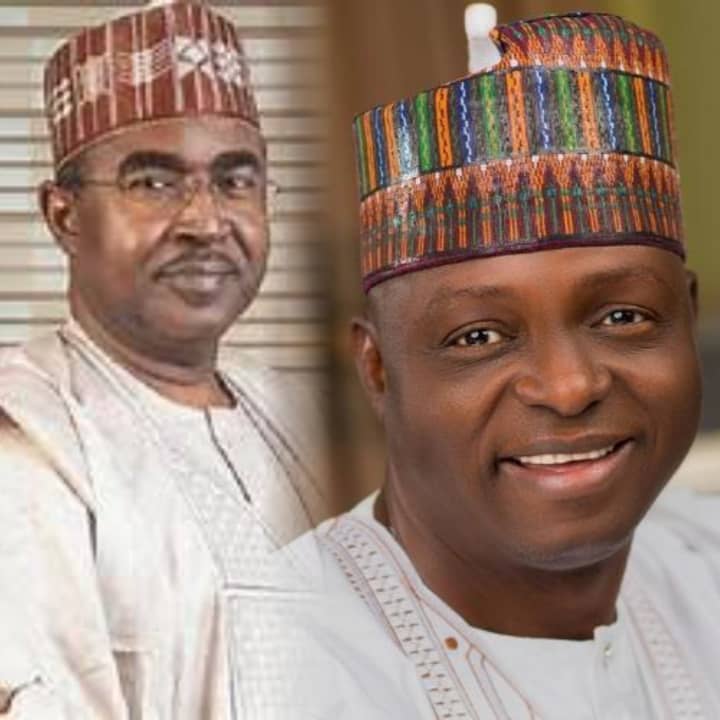

Former Adamawa State Commissioner for Information, Dr. Ahmad Sajoh, has raised alarm over what he described as the steady collapse of the pillars that should safeguard Nigeria’s democracy, warning that the nation is “conducting elections without real choices” and drifting further away from genuine democratic practice.
Dr. Sajoh made this assertion while delivering a keynote address at the 5th Frontier Discourse Annual Public Lecture Series and Awards, organised by Pacesetter Frontier Magazine held in Abuja.
The former commissioner said democracy in the country has been reduced to a hollow ritual, where the electorate merely “pretend to choose” during elections, despite the fact that candidates are often imposed through manipulated nomination processes.
“You just conduct elections and pretend that you are making a choice, but how did that choice come about?” he asked.
“Right from the nomination stage, nothing is free and fair. Some individuals decide who becomes a candidate. So, the concept of choice has been eliminated from our democracy.”
Dr Sajoh likened democracy to a bridge that requires guiding rails to ensure safe passage, identifying the constitution, political parties, judiciary, electoral umpire and mutual toleration as the rails that keep the system functional.
According to him, all these pillars have collapsed in Nigeria.
He argued that the 1999 Constitution is neither reflective of the will of the people nor structured to make democracy thrive.
To illustrate his point, the former commissioner referenced the practice of elected officials defecting from the parties that sponsored their elections without relinquishing the mandate.
“In the Second Republic, when Governor Abubakar Barde of Gongola State defected, he first stepped down because the mandate belonged to another party,” he recalled.
“But today, people take the mandate of Party A to Party B and we celebrate it as normal.”
The former commissioner also dismissed claims that Nigeria operates party-based democracy, saying no political party in the country is owned by its members.
“The parties are the most pathetic,” he lamented.
“A few deep pockets control them. Recently, a political party conducted ward, local government and state congresses. After completing the process, the entire list was taken to the governor’s office, and he simply removed some names and inserted others. Is that the kind of political party that can safeguard democracy?”
He said the voters have lost confidence in the Independent National Electoral Commission (INEC) and the judiciary, arguing that laws and institutions are no longer strong enough to protect citizens’ rights or guarantee justice.
Dr. Sajoh condemned the ruling elite for deliberately deepening divisions, weaponising poverty, and glorifying greed and entitlement at the expense of collective progress.
According to him, leaders now promote natural differences; ethnicity, religion and regional identity; instead of the shared values that should unite Nigerians.
He warned that these actions, combined with what he called an “institutionalisation of transactional politics,” have weakened the moral fabric of society.
The speaker maintained that Nigerians’ shallow understanding of democracy contributes to the crisis, noting that democracy is not merely about voting, but about ensuring the welfare and dignity of citizens.
Despite Nigeria’s long stretch of uninterrupted civilian rule, he said the country has not attained true democratic dividends.
Recounting his community’s ordeal under insecurity, Dr Sajoh recalled how his hometown, Mubi, was once overrun by insurgents, forcing residents to flee into neighbouring countries.
He used the experience to emphasise how insecurity, worsened by political failures, continues to undermine national stability and development.
Dr Sajoh called for sincerity of purpose among leaders, particularly legislators, insisting that Nigeria must shift from a consumption-based to a production-driven economy to guarantee abundance.
He urged citizens to embrace moral rectitude and shun illegal means of acquiring wealth, arguing that the task of nation-building requires collective effort.
He also advised the older generation of leaders to mentor younger Nigerians and create opportunities for them to lead, warning that the country cannot progress without generational renewal.