News Update
This report is derived from an interview conducted with a student who was present during the incident and was the first individual to discover what had occurred.
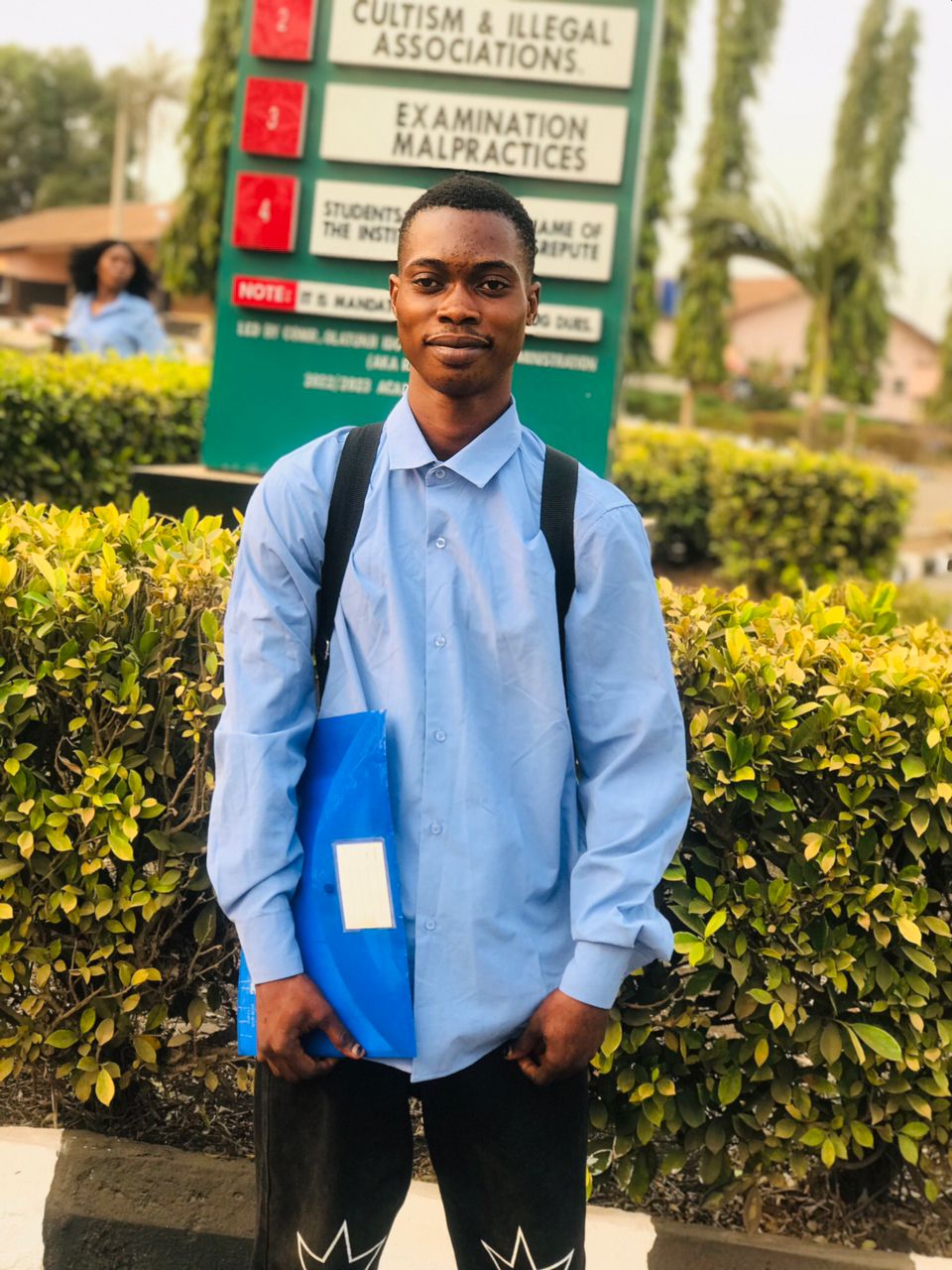
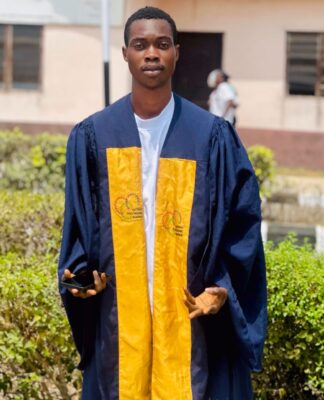
According to the witness, the event took place in February at Gateway Polytechnic, Saapade, Ogun State. On that particular day, he had visited the residence of a fellow course mate. The residence was a bungalow-style structure commonly known in Nigeria as a “face-me-I-slap-you” building. Upon unexpectedly entering the room, he encountered Oyetayo Olakotan James together with another male student in what he described as an intimate situation.
“I was completely taken aback by what I saw,” the witness recounted. “It was not something I anticipated. I left immediately and proceeded to report the incident to the school authorities.”
After the report was made, the situation escalated rapidly. The school management initiated efforts to locate the students involved, while information about the incident spread quickly across the campus.
The witness further explained that other students soon became aware of the development. Some individuals raised an alarm, which attracted attention from both members of the student body and residents in the surrounding area.
“As news of the incident circulated, a crowd began to form,” he stated. “Tension rose quickly, with people shouting and confusion spreading throughout the area.”
Additional accounts from other students, whose identities are being withheld, indicate that the gathering soon became disorderly and posed a significant risk. There were increasing concerns that the situation might lead to mob violence, often referred to as jungle justice.
“It was clearly getting out of control,” the witness added. “Emotions were running high, and the situation could have turned dangerous at any moment.”
It is important to note that, at the time of the incident, same-sex relationships were criminalized under Nigerian law. The Same Sex Marriage (Prohibition) Act of 2014, specifically Section 4, stipulates that any individual who engages in a same-sex amorous relationship or publicly displays such a relationship commits an offence and may, upon conviction, face imprisonment for up to 14 years. The legislation also prohibits the establishment, operation, or participation in organizations or associations related to such relationships.
In addition to the legal implications, cultural beliefs also significantly influence public reactions. Within traditional Yoruba society, same-sex relationships are generally viewed as unacceptable and inconsistent with established moral and cultural standards. These societal views often contribute to strong and sometimes volatile community responses.
Amid the growing unrest and confusion, Oyetayo Olakotan James was reportedly able to escape before the situation deteriorated further.
Background information obtained about him indicates that he was raised in a strict Christian household in Nigeria. Sources familiar with his upbringing suggest that his environment was shaped by rigid religious principles that discouraged any behavior considered immoral.
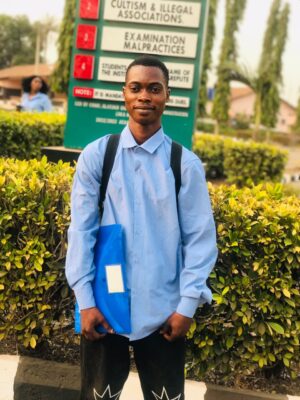

It was also reported that he spent a large portion of his early life in boarding schools, largely due to his father’s strict disciplinary approach.
According to these sources, his childhood and adolescence were characterized by fear and limited emotional support, particularly as he privately struggled with issues related to his identity.
Following the incident, and out of concern for his safety—both in terms of institutional repercussions and possible reactions from his family—he reportedly fled the residence and did not return home. It is believed that information about the incident had already reached his family members.
Further reports indicate that he sought temporary shelter with a family acquaintance at an undisclosed location. Arrangements were subsequently made to facilitate his departure from the country.
There are unconfirmed reports suggesting that he left Nigeria within the same month as the incident, traveling to an unknown destination at the time this report was compiled.